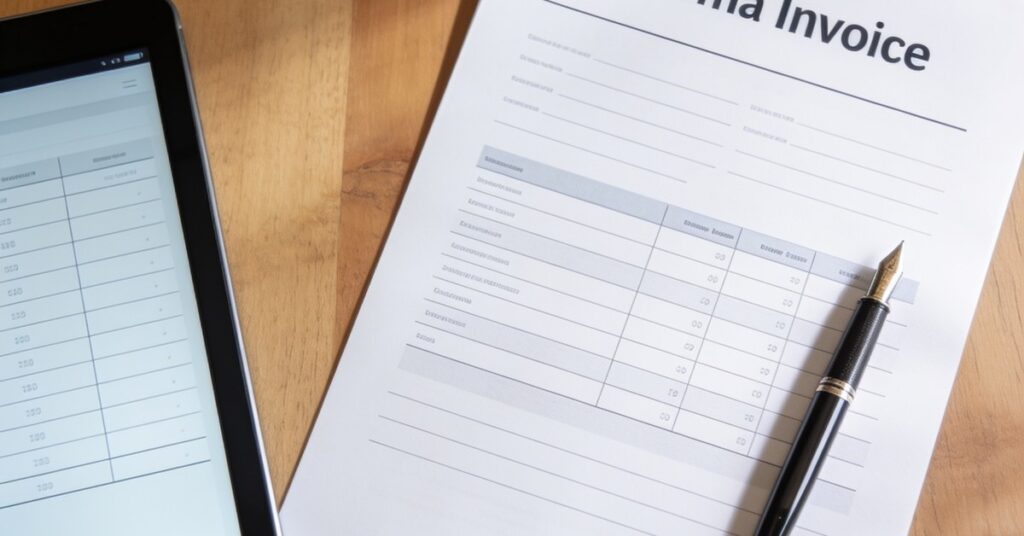
Mastering the nuances of the Proforma Invoice meaning is a critical step in maintaining financial compliance and professional credibility when managing international trade or client deposits. In this comprehensive guide, you will learn exactly what a Proforma Invoice entails, how it differs from a formal bill of sale, and the practical steps to prepare your documentation in accordance with HMRC standards. By understanding these essential distinctions, you can streamline your procurement processes, improve your sales process, and avoid common pitfalls that often lead to accounting errors. Whether you are a sole trader or a growing enterprise, knowing when to send an invoice that serves as a preliminary document is a skill that will serve you well for years to come.
At its core, the Proforma Invoice meaning is a preliminary document issued by a supplier to a buyer before the actual delivery of goods or services, acting as a good-faith estimate rather than a formal demand for payment. It is not a legally binding contract and carries no accounting or tax value, meaning it cannot be used to record accounts receivable or to satisfy HMRC requirements for VAT claims. Because it does not trigger any VAT obligations, it is a professional necessity to endorse the document with the clear statement „This is not a VAT invoice” to prevent any regulatory misunderstanding during customs or internal audits. This document is essentially an invitation for payment that outlines the terms before the final sales invoice is generated.
Proforma invoice meaning
Understanding the Proforma Invoice
A proforma invoice functions as a preliminary document provided to a buyer prior to the finalisation of a transaction. It serves to detail the projected goods, services, and associated expenses, though it does not constitute a formal request for payment. Essentially, it operates as a good-faith estimate that offers a comprehensive preview of the intended commercial arrangement.
Key Functions and Utilisation
Proforma invoices serve several vital roles in business operations, particularly regarding transparency and logistics:
- Cost Estimation: Provides prospective buyers with a transparent breakdown encompassing predicted pricing, quantities, and delivery charges before any commencement of work.
- Customs Clearance: Utilised extensively in international trade to assist customs officials in determining the appropriate duties, tariffs, and taxes for inbound consignments.
- Procurement Approvals: Assists internal departments in obtaining necessary budget authorisations or establishing letters of credit.
Proforma Invoice Versus Final Invoice
Distinguishing between these two documents is essential for accurate bookkeeping. The core differences include:
- Timing: A proforma invoice is generated before the delivery of services or goods, whereas a standard invoice is dispatched only after the completion of the transaction.
- Legal and Tax Status: Unlike a final invoice, a proforma document does not hold legal status for accounting purposes and does not necessitate the declaration of Value Added Tax.
- Payment Request: It serves as an informational tool rather than a formal demand for payment, although it may be used to request an initial deposit to facilitate the start of production.
Establishing Commercial Agreements
In essence, a proforma invoice acts as a provisional record that outlines the anticipated terms of a deal. It serves as an essential bridge between a quote and a final commercial invoice, ensuring both parties have a clear understanding of the proposed scope and cost before formal commitments are realised.
Understanding the Proforma Invoice Meaning and Core Functionality
A Proforma Invoice is essentially a document that outlines the details of an anticipated transaction before the goods or services are delivered. Ever found yourself buried in paperwork, wondering why a quote suddenly feels like a formal bill? Its primary function is to provide the buyer with a clear breakdown of the costs, quantities, and terms that will apply if the order proceeds, allowing both parties to align expectations before any financial commitment is solidified. Unlike a Standard Invoice, which acts as a request for payment, a Proforma is a preliminary bill of sale that serves as a snapshot of the potential deal.
From an operational standpoint, this document serves as a critical bridge in international trade. To keep your workflow efficient, consider these core functions that define why a Proforma Invoice is a preliminary document:
- Acts as a clear, itemised estimate for the buyer to review before commitment.
- Facilitates customs clearance for assessing duties and tariffs.
- Requests a good-faith advance deposit before production starts.
- Provides documentation for import permits or letters of credit.
- Ensures both parties agree on the description of the goods before shipment.
When you explore the Proforma Invoice meaning in the context of business growth, you will find it is far more than just a piece of paper; it is a communication tool. By detailing the exact specifications of a shipment or a bespoke service package, you eliminate ambiguity. This clarity is what separates a professional operation from an amateur one. If you are dealing with high-value international clients, providing a detailed Proforma allows them to secure internal budget approval or bank financing, which accelerates the entire sales process. The Proforma Invoice is also a versatile tool, often used to bridge the gap between a verbal agreement and the formal invoice that triggers revenue recognition.
Difference Between a Proforma Invoice and a Commercial Invoice
The fundamental difference between these two types of invoices lies in their legal weight and timing. A Proforma Invoice is a non-binding preliminary quote, whereas a Commercial Invoice is a legally binding bill of sale issued after the sale is finalised or the dispatch has occurred. While a Proforma Invoice represents an intent to trade, a final invoice triggers the legal obligation for the buyer to pay and for the seller to account for the transaction.
| Feature | Proforma Invoice | Commercial Invoice |
|---|---|---|
| Legal Status | Non-binding | Legally binding |
| Timing | Before shipment | After sale/dispatch |
| Accounting | No value | Records receivable |
| Purpose | Quote/Customs | Demand for payment |
Understanding this distinction is vital for maintaining clean financial records. In my experience, mixing these up is a classic rookie mistake that leads to messy audits; always keep your „quote” documentation separate from your „demand for payment” documentation to ensure your revenue recognition remains bulletproof. When you confuse these, you risk triggering tax liabilities prematurely or creating confusion for your client’s accounts payable department. The final invoice is issued once the goods or services are delivered, making it the document that officially updates your books.
Consider the situation where a client needs to clear goods through customs. If you send them a Commercial Invoice before the goods have even left your warehouse, they may be charged duties based on a document that does not yet represent the final, shipped state of the order. Using the correct types of invoices ensures that you remain compliant with international trade laws. It is about precision. If you are a sole trader, mastering this distinction will save you hours of explaining yourself to tax authorities. It is about presenting yourself as a professional who understands the mechanics of the global marketplace.
Practical Tips to Create a Proforma Invoice Template
You should use a Proforma Invoice in business primarily when you need to declare item values and weight for international customs before the final Commercial Invoice is available. This document is an invaluable asset when dealing with custom orders, as it allows you to detail material costs and project specifications before production begins, thereby securing a clear agreement with the client regarding the scope of work. When you create a Proforma Invoice, you are providing a structural outline of the transaction that serves as a guide for the final billing stage.
Beyond customs and manufacturing, follow this process to manage client expectations effectively:
- Assess the risk of the new or high-risk client during the initial sales process.
- Draft the Proforma outlining all material and labour costs and payment terms.
- Include a clear validity date to prevent price disputes later.
- Use a unique internal reference number—never a sequential Self Assessment tax invoice number.
- Request the deposit before commencing any work to ensure commitment.
Important / Remember: Always label your document as „This is not a VAT invoice” to remain in full compliance with HMRC guidance and avoid accidental tax reporting errors. This simple step protects you from being held liable for tax on money you have not yet earned or goods you have not yet supplied. Many entrepreneurs underestimate the importance of this specific label, but it is a fundamental safeguard in your Self Assessment journey. A well-designed Proforma Invoice template can save you time and ensure that your professional proforma looks consistent across all client interactions.
Benefits of Using a Professional Proforma Invoice for International Trade
A professional Proforma Invoice must include specific, clear data points to be effective, starting with a bold title stating „Proforma Invoice” at the very top. This document should serve as a comprehensive preliminary estimate, incorporating a unique tracking number to distinguish it from your formal accounting series, alongside the date of issue and a clear validity period. The benefits of using a proforma are significant, as they help the buyer understand exactly what they are paying for before the actual invoice is issued.
To ensure total transparency, your template should include:
- Full seller and buyer contact details (including EORI numbers for trade).
- Itemised list with quantities, unit prices, and total line costs.
- Detailed shipping information including weight and dimensions.
- Country of origin and relevant commodity codes for customs.
When you construct this document, think about the person on the other end. Is the information presented in a way that is easy to read? Are the total values clear? Is the currency specified? These details are not just bureaucratic requirements; they are essential for the smooth progression of your business deal. If a customs officer or a client’s accountant has to guess at the meaning of an entry, you have already failed. A well-constructed Proforma is a silent salesperson that works on your behalf to ensure the deal proceeds without friction. The format of a pro forma should be clean, professional, and clear.
Compliance When Sending a Proforma Invoice
Creating a Proforma Invoice for international trade requires precision in classifying your goods to ensure smooth processing at customs. You must include Harmonized System (HS) or commodity codes for every item, as these are the global standards used by customs officials to determine duties and tariffs. Additionally, you must specify the Incoterms, such as FOB, CIF, or EXW, which define the named place or port of delivery, and clearly state the country of origin for each product to satisfy international trade regulations. Sending a proforma invoice requires this level of detail to be effective for your records.
Important / Remember: Precision at the border is your best friend; ensure your documentation matches the physical goods exactly to avoid costly delays or seizure of shipments. Understanding the Proforma Invoice meaning in an international context is essentially about understanding the language of global logistics. When you use the right codes and the right terms, you speak the same language as the customs agents, which inevitably leads to fewer inspections and faster transit times for your goods. The invoice typically includes all the necessary legal declarations required by the destination country.
If you are new to the world of international trade, it can feel daunting. However, it is a manageable process if you follow the rules. Start by researching the HS codes for your specific products. There are many online resources provided by the government that list these codes in detail. Do not guess; find the exact code. If you are unsure, consult with a logistics expert or a customs broker. They can save you thousands of pounds in potential fines and lost revenue. It is a small investment for long-term peace of mind. Every invoice used in this process must be accurate to ensure compliance.
Frequently Asked Questions
Can a proforma invoice be converted into a standard invoice?
Yes, once the goods or services are delivered, the details from the Proforma can be transferred to a formal Standard Invoice. You must then assign a new, sequential invoice number to satisfy HMRC record-keeping requirements, as the Proforma itself cannot serve as the final document.
How long should the validity period be on an example of a pro forma?
A validity period of 30 days is standard practice for most industries to account for fluctuations in material costs or shipping rates. Clearly stating this date manages client expectations and protects you from honouring outdated price quotes indefinitely, as the invoice is a preliminary document that may change.
Do I need to include a VAT registration number on a proforma?
While you should include your business details, you must ensure the document is not mistaken for a tax invoice. Including your VAT number is permitted for identification purposes, provided the document clearly states it is not a request for tax payment, as the Proforma Invoice is not legally binding.
What happens if the final invoice differs from the proforma?
Minor discrepancies are expected if shipping costs or final quantities change, which is why the final Commercial Invoice holds legal authority. Always notify the client of any significant changes in price before issuing the final document to maintain transparency, as the Proforma Invoice is a preliminary bill of sale that does not replace the need for a final invoice.
Treat your Proforma Invoice as a vital communication tool that sets clear expectations while keeping your tax records clean and compliant. Always clearly mark these documents as non-binding estimates to protect your professional integrity and prevent any confusion with final tax obligations.