Understanding the shifting dynamics of the Central Business District is essential for any business leader or investor looking to navigate the complexities of modern commercial real estate and urban economic strategy. In this article, you will gain a clear, evidence-based assessment of how evolving hybrid work models and changing land-use trends impact your operational costs and long-term site selection decisions. We provide the practical insights you need to effectively prepare your business for the structural transformations currently reshaping our city centres.
A Central Business District is defined as the primary commercial and economic hub of a city, typically situated at the convergence of major transport routes such as train lines, subways, and arterial roads. These districts function as the heartbeat of urban commerce, housing a high density of corporate offices, banks, retail stores, and entertainment venues that cater to both the local workforce and international markets. For professionals, the Central Business District represents the nexus of high-order service provision, where the concentration of activity creates a unique environment for networking, business growth, and capital investment.
Central business district
Defining the Core of the City
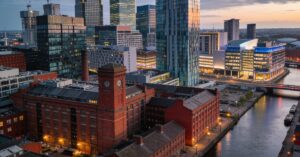
A central business district, frequently abbreviated as the CBD, represents the primary commercial and financial hub of an urban area. Often referred to as the city centre or financial district, this zone serves as the focal point for economic activity. It is typically characterised by a dense collection of corporate offices, professional services, and retail establishments.
Key Characteristics and Features
Most central business districts across the globe share a specific set of defining traits that set them apart from residential or industrial zones:
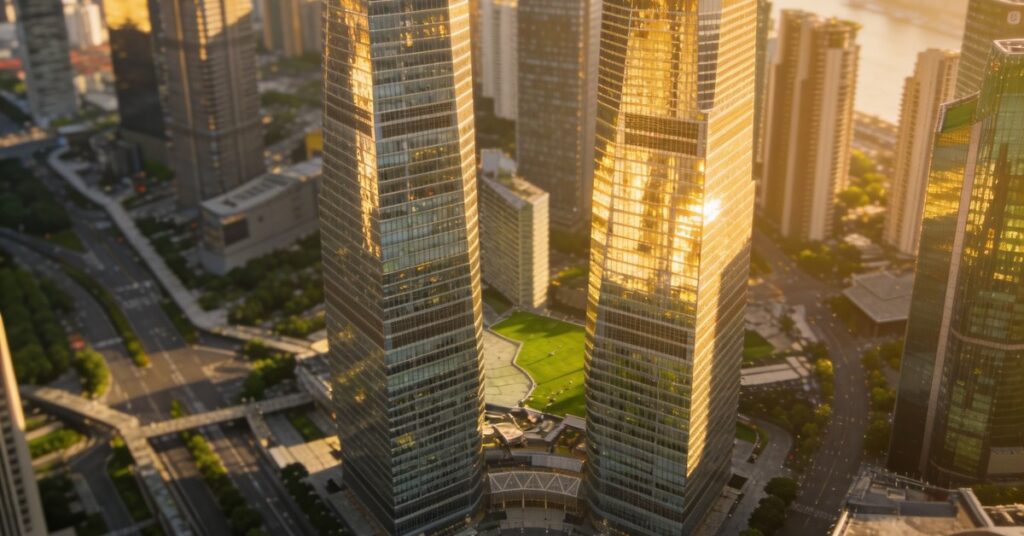
- Skyscrapers and Verticality: Due to premium real estate costs, developers construct tall buildings and multi-storey offices to maximise the utility of the available land.
- Significant Property Valuations: Land and commercial space within the CBD command the highest prices in the entire city, reflecting the intense competition for a prime location.
- Optimal Infrastructure and Connectivity: These districts are designed as transport nodes where major road networks, railway stations, and bus terminals converge to facilitate the daily commute of the workforce.
- Economic Concentration: The district serves as a cluster for high-density employment, hosting headquarters for banks, multinational corporations, major department stores, and various entertainment venues.
Origins and Evolution
The development of a CBD is often rooted in history and geography:
- Historical Roots: Many city centres originated from ancient market squares or trading posts strategically situated near essential water sources, such as rivers or natural harbours.
- Strategic Accessibility: These areas historically developed at points where major transport routes naturally intersected, making them the most reachable locations for the surrounding population.
- Contemporary Expansion: In modern, large-scale metropolitan cities, urban growth may result in the emergence of multiple business districts, decentralising the focus from a single core.
Defining the core features and Land Values of a Central Business District
The fundamental characteristics of a Central Business District include high Land Values, expensive real estate, and a significant concentration of skyscrapers and multi-storey buildings designed to maximise vertical space. These areas are managed through strict zoning restrictions on building height and land use functions, ensuring that the density of offices and financial institutions remains high while maintaining the flow of human traffic. Ever wondered why your commercial rent seems to climb every time a new transport link opens nearby? It is the classic CBD effect, where the daytime population of workers and shoppers drives demand that far outstrips the supply of local permanent housing.
| Feature | CBD Impact |
|---|---|
| Transport | High convergence of public transit |
| Building Density | Vertical growth / Skyscrapers |
| Land Value | Premium, high-cost investment |
Historical evolution and Residential Development in the CBD
The modern Central Business District has evolved from early 20th-century hubs, which were primarily centered around manufacturing, ports, and transit lines, into sophisticated, multi-functional urban nodes. During the mid-20th century, the focus shifted toward white-collar corporate towers and financial institutions, though suburban decentralisation later fostered the expansion of regional malls and highway-linked business parks. Today, the evolution continues as planners convert underutilised commercial office space into Residential Development units and integrate arts, culture, and green public spaces to ensure these districts remain vibrant beyond traditional working hours.
Navigating the challenges of Peak Land Value Intersection and Edge Cities
Business owners operating within a Central Business District today must proactively address the challenges of hybrid work models, which have left many office towers only partially occupied. From my own experience, I have seen too many firms lock themselves into long-term leases without considering the technological requirements of modern green building regulations or the competitive pressure from emerging Edge Cities. If you are currently evaluating your office footprint, I recommend following these steps to ensure you do not get caught out by legacy costs:
- Audit your current office energy efficiency to ensure compliance with modern standards.
- Assess the actual weekly desk utilisation rate of your team.
- Negotiate flexible break clauses to allow for resizing your workspace.
The strategic comparison: CBD versus Edge Cities
The primary difference between a Central Business District and the decentralised growth of Edge Cities is that CBDs are designed for mass transit and foot traffic, whereas suburban hubs are often built specifically for car dependency near major highways. While CBDs utilise expensive vertical space and are anchored by a Peak Land Value Intersection, suburban areas offer cheaper land and lower rents, enabling the construction of large, horizontal custom campuses with ample open parking lots. For a business, choosing between these two relies on whether your operational model requires the high-visibility, transit-accessible prestige of a city centre or the cost-effective, space-efficient flexibility of a peripheral setting.
Future projections for the CBD and flexible work models
The future of the Central Business District is being fundamentally reshaped by flexible working, with 82% of employers now intending to permit remote work for at least some of the time. Data indicates that employees currently work an average of 2.3 days per week remotely, and with 60% of office workers expecting these arrangements to continue, the demand for traditional office footprints is declining. Iconic locations such as New York’s Midtown and Wall Street are currently serving as the global testing ground for this transition, as they adapt to a reality where 6.7 million commuters no longer enter the district every single business day, forcing a pivot toward more flexible, collaborative workspace designs.
Important / Remember: When adapting to these shifts, ensure your Self Assessment tax records accurately reflect any changes to business premises or home-office expenses, as HMRC regulations on workspace deduction can be complex for hybrid-operating entities.
Frequently Asked Questions
How does the Peak Land Value Intersection influence business location strategy?
The Peak Land Value Intersection acts as the most accessible and expensive point in a city, drawing businesses that require maximum visibility and foot traffic to thrive. Choosing to locate near this point often justifies the higher rent through superior access to clients and high-quality talent pools.
What are the primary indicators that a CBD is successfully integrating Residential Development?
A successful integration is marked by a shift from office-only zoning to mixed-use permits that allow for 24-hour activity. You will observe more grocery stores, fitness centres, and community spaces appearing in areas that were previously dominated entirely by corporate skyscrapers.
Do Edge Cities pose a genuine threat to the dominance of a traditional Central Business District?
Yes, Edge Cities challenge traditional cores by providing lower-cost, car-friendly alternatives that appeal to firms seeking to reduce overheads. However, they rarely replicate the networking and cultural prestige that keeps global corporate headquarters anchored to the primary city centre.
How should a business approach the transition from a traditional office to a hybrid model?
You should start by conducting an internal audit of space usage and employee productivity to determine how much physical square footage is truly necessary. Transitioning toward flexible lease agreements and collaborative workspace designs will help you maintain a presence in the district while significantly reducing your long-term operational costs.
I genuinely encourage you to embrace this transition as an opportunity to build a more agile, cost-effective workplace that truly supports your team’s wellbeing and productivity. Focusing on adaptable, sustainable office solutions will provide the long-term stability your business needs to thrive in a changing landscape.