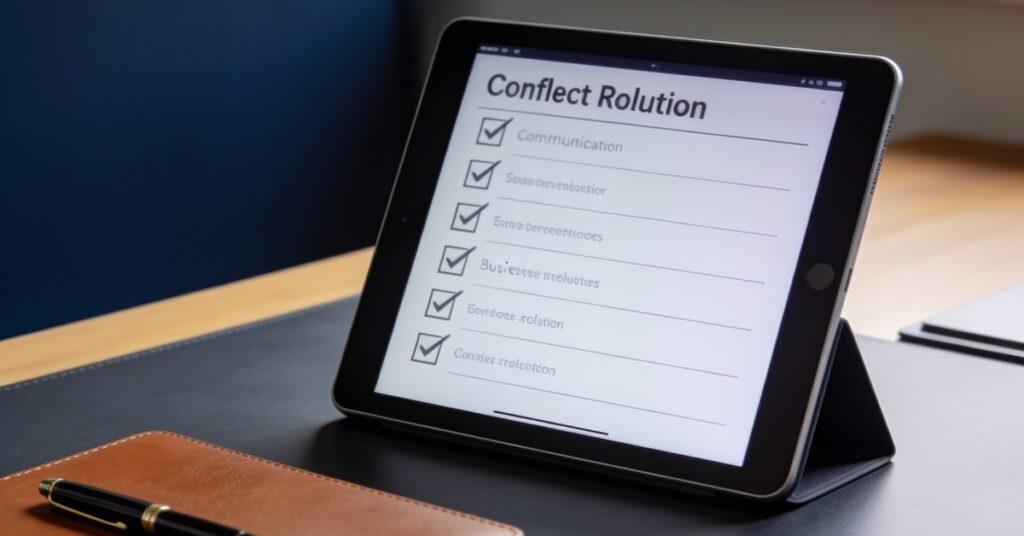
Mastering the art of de-escalation is a critical competency for any business owner or manager, as mishandling a grievance can lead to significant reputational damage and long-term financial loss. In this article, you will learn proven, professional frameworks for managing high-tension interactions, including actionable scripts and practical strategies to remain calm, protect your business interests, and restore customer trust. By implementing these evidence-based techniques, you will be fully prepared to handle even the most challenging customer encounters with confidence and authority.
How to handle the angry customer
Mastering De-escalation Techniques
Managing dissatisfied clients requires a combination of patience, empathy, and tactical communication. The key is to remain composed and ensure the customer feels heard, rather than reacting defensively to their heightened emotional state.
Core Strategies for Effective Customer Resolution
- Maintain your composure by keeping your tone of voice steady, low, and slow.
- Practise active listening by allowing the client to express their concerns in full without interruption.
- Personalise your responses to show that you are paying attention to their specific situation.
- Validate their perspective by using empathetic phrases like „I understand why this situation is frustrating” before attempting a resolution.
- Focus entirely on constructive, step-by-step solutions to address the underlying issue.
- Never make the mistake of telling an upset customer that they are incorrect or demanding that they „calm down,” as this typically intensifies their anger.
Handling Underlying Causes and Escalation
It is essential to recognise that customer frustration often stems from specific product failures or service deficiencies. When addressing these grievances, consider the following:
- Focus on the substance of the complaint rather than the customer’s tone.
- Do not internalise the frustration; remember that the anger is directed at the situation, not you personally.
- Establish firm professional boundaries if the interaction crosses the line into personal insults, hateful language, or threats. In cases of verbal abuse, involve management or terminate the call if necessary.
- Remain neutral and professional throughout the entire process to prevent the situation from deteriorating.
Key Principles for Success
To successfully resolve difficult interactions, focus on making the customer feel valued and heard. By creating a space where they can vent their grievances safely and showing genuine empathy, you can pivot the conversation towards a productive outcome. Always prioritise professional behaviour and clear dialogue to de-escalate tension effectively.
Immediate Response Protocols to Deal With Angry Customers
The most effective immediate response when you need to deal with angry customers is to create a structured, calm, and attentive environment that signals your readiness to resolve the issue. Start every interaction by clearly stating „We have time,” which immediately lowers the customer’s physiological state of urgency and demonstrates that you are not looking to rush them off the phone or out of your office. Remember, customers are inevitable in any business, and how you respond to an angry customer often dictates the long-term viability of that account. When you proactively manage the initial seconds of the encounter, you prevent the situation from reaching a point where the customer feels forced to escalate the matter further.
Once you have established this initial rapport, you must shift your focus to deep, disciplined listening. Put away your mobile phone, remove any other distractions, and maintain steady eye contact to show the speaker they have your full attention. Before you even consider formulating a response, read the customer’s enquiry or complaint twice to ensure you have internalised every detail, and take meticulous notes on critical facts, including dates, names, and the specific impact the issue has had on their operations. Learning how to handle the angry customer requires this level of initial preparation to ensure you are operating from a position of factual strength rather than emotional reaction. When an upset customer reaches out, they are often venting their frustration, and your ability to gather all the information before speaking is what separates a great customer service experience from a disastrous one. By taking these notes, you also show that you’re committed to a professional resolution.
The Foundations of Empathy and Active Listening During Customer Interaction
Active listening is the primary mechanism for de-escalating a volatile customer interaction, as it proves to the individual that they are being heard rather than managed. Use verbal nods or short, affirming phrases like „I understand” or „I see” to keep the communication channel open without interrupting the customer. Showing empathy is not just about being polite; it is a strategic tool that makes the customer feel valued and understood, which is vital when a frustrated customer is looking for someone to blame. When you provide the space for them to vent, you are allowing them to release the initial pressure, which is often the first step to a successful resolution.
Acknowledge the customer’s feelings by explicitly stating that you are sorry they feel frustrated or upset, which validates their emotional experience without necessarily admitting fault regarding the underlying product or service. Crucially, you must repeat the main customer concerns in your own words; this technique, known as mirroring, confirms that you have processed the information accurately and allows the individual to correct any misunderstandings before you move toward a resolution. You need to understand how frustrating this must be for them, and by doing so, you build the foundation for customer loyalty. When you listen to the customer, you are effectively gathering the data required to resolve the issue while simultaneously lowering the temperature of the conversation. Never interrupt the customer, as this only serves to escalate their anger and diminishes the chance of achieving a positive outcome. Taking the time to validate their concerns is a gesture that will go a long way in turning a hostile situation into a productive dialogue.
How to Stay Calm and Respond to an Angry Customer
Maintaining a professional demeanour is the most effective way to influence a customer to lower their own volume and emotional intensity. Keep your voice low, steady, and measured throughout the conversation, as your own vocal tonality acts as a template for the customer’s behaviour; if you remain composed, they are significantly more likely to mirror your steady approach rather than escalating their anger. When you stay calm, you demonstrate that you are in control of the situation and capable of providing the support they require. It is a fundamental truth that a calm customer service team is the backbone of exceptional customer service.
It is vital to avoid certain phrases that can inadvertently exacerbate tension. Never tell a customer to „calm down,” as this is frequently perceived as dismissive and patronising, often causing the customer to feel that their concerns are being trivialised. Instead, use de-escalation scripts such as „Walk me through what happened,” „That makes sense,” or „Let’s sort this out.” These phrases shift the dynamic from a confrontation to a collaborative problem-solving exercise, helping the customer feel that you are an ally in finding a solution. An irate customer might feel ignored, so your primary goal is to reassure the customer that their issue is being treated with the urgency it deserves. By choosing your words carefully, you can help your customer move from a state of agitation to a state of collaboration, which is the hallmark of great customer service. When you effectively handle these moments, you protect your professional reputation and ensure that the customer on the other side feels respected.
Navigating Difficult Customer Interactions and Abusive Language
When a customer crosses the line into abusive behaviour, you must set clear, firm, and respectful boundaries to ensure the safety and wellbeing of yourself and your staff. If a customer begins to use rude language or yells, clearly state: „I want to help you, but we need to keep this conversation respectful,” which provides the individual with a clear opportunity to adjust their tone without ending the encounter prematurely. If the customer continues to use abusive language, you must protect your team, as no one should have to endure personal attacks. It is crucial to remember that you’ve had to deal with tough situations before, and maintaining your standards is part of your professional duty.
Does this sound familiar to your current business situation? Dealing with an angry customer can be stressful, but keeping a calm, professional scripts-based approach usually saves the day. If the interaction remains unmanageable, consider the following escalation checklist to maintain your professional footing:
- Call for a manager to help you feel grounded and centered during the transaction.
- Use the phrase „Thank you for being patient while I look into this” to create a necessary pause.
- Focus exclusively on the objective content of the complaint rather than the emotional delivery.
- Set clear limits if the customer uses rude language; this shows that you are a professional who expects mutual respect.
When an impatient customer becomes aggressive, remember that their behaviour is often a projection of their own stress regarding the product or service failure. Your job is to stay detached from the toxicity while focusing on the resolution. By letting the customer know that you are dedicated to solving the problem, you provide them with the structure they need to regain their own composure. It is about balancing your need to be helpful with your right to be treated with dignity.
Delivering Concrete Solutions to Handle Difficult Situations
Providing a tangible, step-by-step action plan is the most effective way to resolve a complaint and restore the trust of a difficult customer. When proposing this plan, lower your voice and slow your speech to convey authority and precision, and always use the customer’s name to personalise the interaction and break the cycle of impersonal hostility. A great customer service team knows that a concrete promise is worth more than a vague apology. When you ask the customer what they need, you are showing that you value their perspective.
Important / Remember: Always document your resolution steps in your CRM to ensure you have a clear audit trail should the customer return with further queries, as this is essential for maintaining high levels of customer satisfaction.
Follow this standard resolution process to ensure nothing slips through the cracks:
- Write down the main facts and problems presented by the customer.
- Provide an exact, step-by-step action plan to fix the issue.
- Give the customer a clear time limit for when the solution will be completed.
- Ask the customer if the proposed solution works for them before taking action.
- Check back with the customer after the resolution to ensure the fix worked.
By following these steps, you give the customer a sense of control over the process, which is often what they need when they feel that things have gone wrong. This methodical approach helps turn an angry customer into a satisfied one, proving that you are a business that stands behind its offerings and cares about the individual service experience. It transforms a moment of potential loss into an opportunity to solidify customer loyalty.
Strategic De-escalate Methods to Calm Angry Customers
De-escalate methods while maintaining company policy involve a delicate balance of empathy and adherence to established business guidelines. If you feel your composure slipping, place the caller on a brief, polite hold to stay composed, review the situation, and gather your thoughts before returning to the conversation. This extra time allows you to approach the customer on the other side with a clearer head and a more effective plan. When you effectively deal with angry customers, you are effectively protecting the brand. You must ensure that every customer service rep understands that even when a customer is complaining, there is an opportunity to improve customer satisfaction.
| Strategy | Why it Works |
|---|---|
| Low/Steady Voice | Reduces tension via vocal mirroring |
| Active Listening | Proves the customer has been heard |
| Safe Alternatives | Maintains policy while offering options |
| Summarising Issues | Confirms accuracy of the facts |
It is never about winning an argument; it is about finding a path to a resolution that respects both the business and the valued customer. When you provide options, you are helping the customer understand that they have choices, which is a powerful way to reduce their sense of helplessness. This strategic approach ensures that you handle difficult moments with grace and efficiency.
Preventing Future Angry Customer Interactions Through Process Improvement
The final stage of handling difficult interactions is to prevent future complaints by analysing the root cause of the issue and refining your underlying business processes. Do not simply treat the symptom of the anger; instead, conduct regular team training sessions using roleplay for real-life complaints to ensure your staff are equipped with the communication skills necessary to handle high-pressure situations before they escalate. When you improve your customer service, you reduce the frequency with which customers get angry in the first place, leading to a better overall product and service environment for everyone.
After a significant complaint has been resolved, document the facts—including the specific product or process failure—and modify your internal workflows to ensure it does not happen again. Ask short, polite clarifying questions during future interactions to gather data that might indicate a recurring issue. By apologising for how the customer feels and acknowledging their frustration, you build a culture of accountability that transforms past complaints into future improvements, ultimately strengthening your business’s reputation for reliability and professional excellence. Understanding how to handle the angry customer is an ongoing process of refinement that directly correlates with the longevity of your commercial relationships. Every bit of customer feedback is a gift that allows you to sharpen your operational edge and deliver more value. By constantly monitoring the customer experience, you secure the future of your company and ensure that you are always meeting and exceeding customer needs.
Frequently Asked Questions
How can I stay calm when a customer is shouting at me?
Focus on your own physiological response by keeping your voice low and steady, which will naturally encourage the customer to lower their own volume. Avoid taking the shouting personally; instead, concentrate on the specific facts of the complaint, and remember that you have the right to set boundaries if the language becomes abusive.
What should I do if I am not authorised to offer the compensation the customer wants?
Never make promises you cannot keep. Instead, use the „Yes, and…” approach to acknowledge their request while offering the best alternative you are authorised to provide, or escalate the matter to a manager who has the authority to review the request within company guidelines.
Is it necessary to apologise if the business has not technically made a mistake?
Yes, you should always apologise for how the customer feels. Apologising for their frustration is an act of empathy that validates their experience, which is often the most important step in de-escalating the situation, regardless of whether the business is at fault.
How do I handle a customer who refuses to stop using abusive language?
Set clear, firm limits immediately by stating that you want to help but require the conversation to remain respectful. If they continue to use abusive language after this warning, you are justified in ending the interaction, as your primary responsibility is to maintain a safe and professional environment for yourself and your team.
Mastering how to handle the angry customer requires a disciplined commitment to active listening and the consistent application of de-escalation scripts. Always prioritise the documentation of facts and the delivery of concrete, time-bound solutions to transform volatile complaints into long-term professional loyalty.